
Understanding Commercial Access Control Systems: A Comprehensive Overview
PT
Introduction to Commercial Access Control Systems
In today's business environment, ensuring the security of assets, data, and personnel is a top priority. Commercial access control systems play a crucial role in safeguarding these elements by regulating who can enter or exit a facility. These systems have evolved significantly, offering advanced solutions for modern security challenges.
What Are Commercial Access Control Systems?
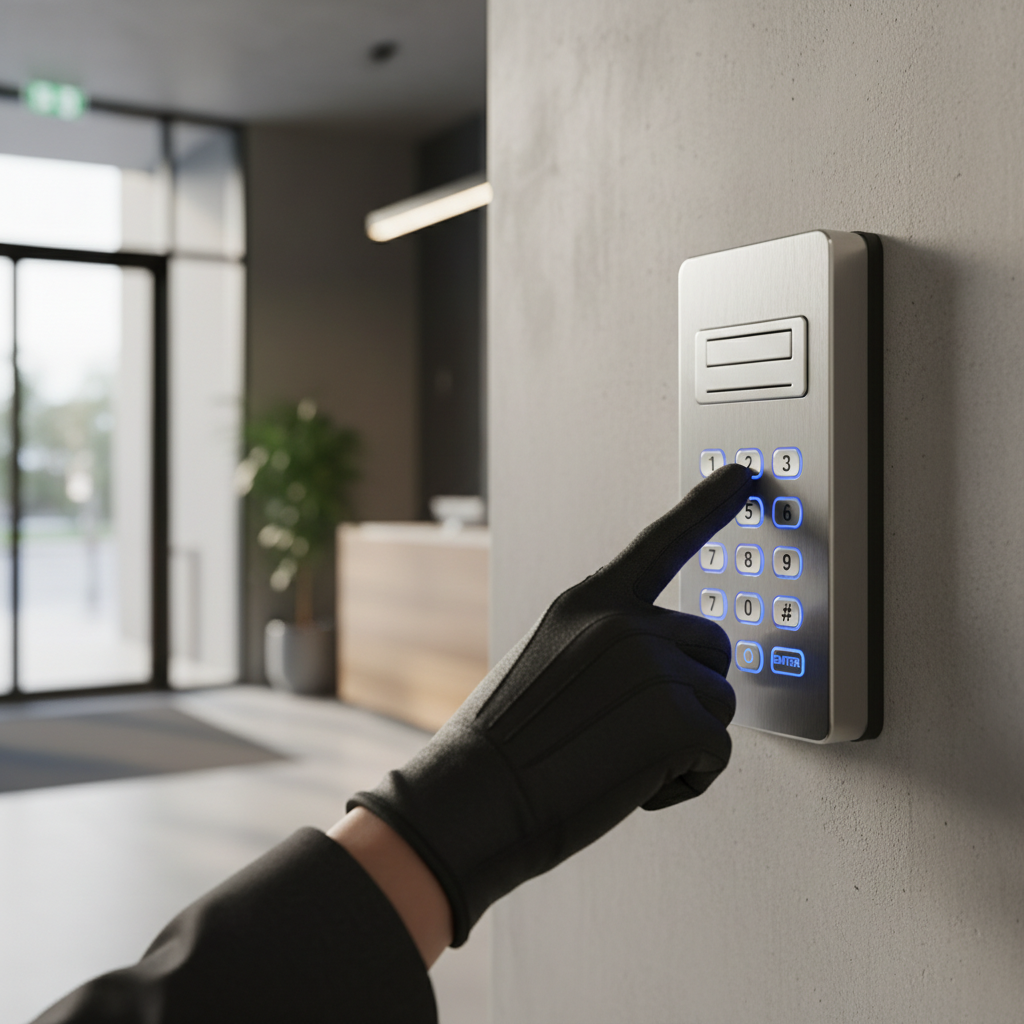
Commercial access control systems are electronic security solutions designed to manage and monitor access to buildings or specific areas within a facility. They provide a way to authorize, track, and restrict entry, ensuring that only authorized personnel have access to sensitive areas.
Types of Access Control Systems
There are several types of access control systems available, each tailored to meet different security needs:
- Discretionary Access Control (DAC): Allows business owners to decide who can access specific areas.
- Mandatory Access Control (MAC): Enforces strict regulations where only authorized individuals can enter certain zones.
- Role-Based Access Control (RBAC): Grants access based on an individual's role within the organization.
Components of Access Control Systems
A comprehensive access control system consists of several key components:
- Access Cards or Key Fobs: Issued to employees for authorized entry.
- Readers and Keypads: Devices that validate access credentials.
- Control Panels: Act as the system's brain, processing and verifying access requests.
- Software: Manages the entire system, providing real-time monitoring and reporting.
Benefits of Implementing Access Control Systems
There are numerous advantages to deploying commercial access control systems:
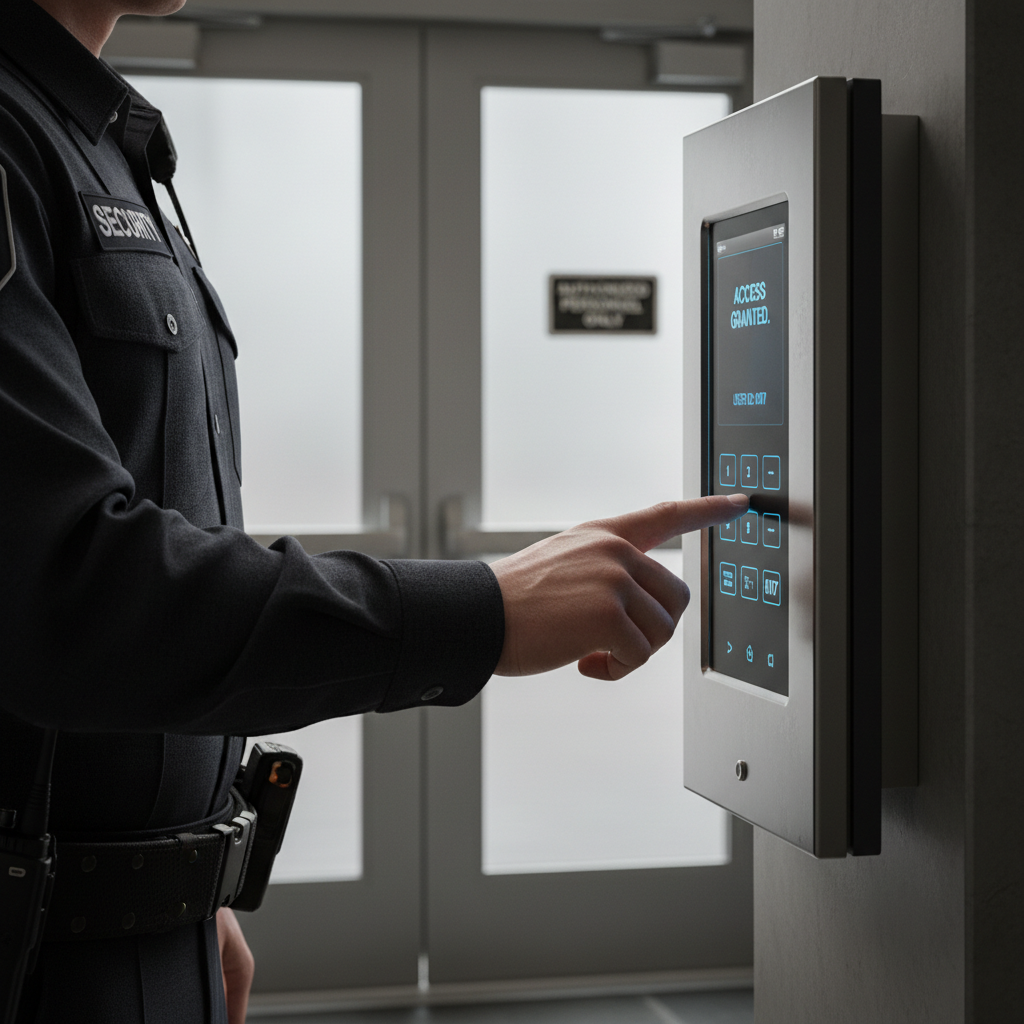
- Enhanced Security: Restricts unauthorized entry, reducing the risk of theft and vandalism.
- Convenience: Streamlines access for employees, eliminating the need for traditional keys.
- Audit Trails: Provides detailed logs of access activity, aiding in investigations and compliance.
Choosing the Right System
Selecting the appropriate access control system depends on various factors, including the size of the facility, the level of security required, and budget constraints. It's essential to evaluate your specific needs and consult with security experts to make an informed decision.

Future Trends in Access Control Systems
The future of access control technology looks promising, with innovations aimed at further enhancing security and user experience. Emerging trends include:
- Biometric Authentication: Using fingerprints or facial recognition for entry.
- Cloud-Based Solutions: Offering flexibility and ease of management from any location.
- Integration with IoT Devices: Allowing seamless connectivity between security systems and smart devices.
Conclusion
Understanding and implementing commercial access control systems is essential for businesses looking to protect their assets and personnel. By staying informed about the latest technologies and trends, companies can enhance their security measures and ensure a safer environment for everyone.