
Understanding Commercial Access Control Systems: A Comprehensive Overview
PT
Introduction to Commercial Access Control Systems
In today's business environment, ensuring the security of commercial premises is paramount. **Commercial access control systems** are essential tools that help manage who can access various parts of your business location, enhancing security and operational efficiency. These systems offer an array of features that cater to different security needs, making them invaluable to businesses of all sizes.
What Are Commercial Access Control Systems?
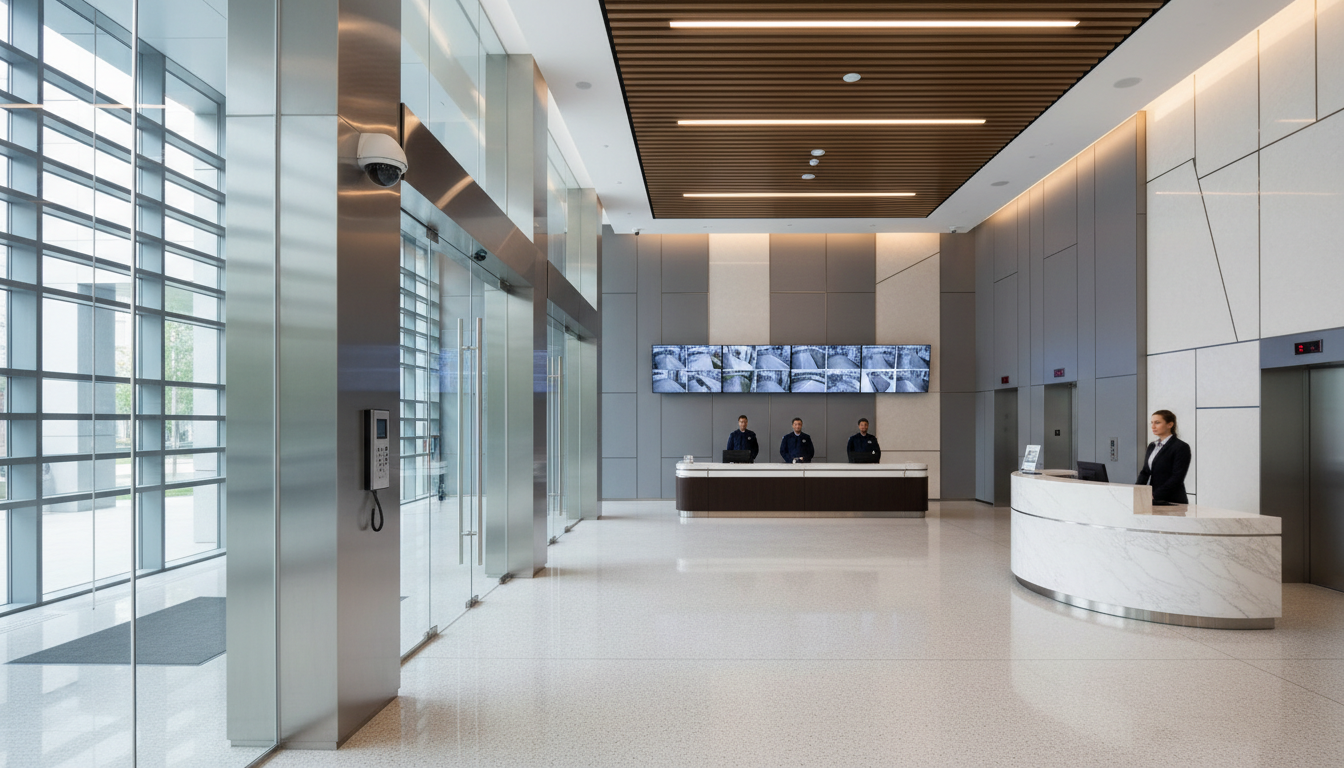
At their core, commercial access control systems are digital security solutions that regulate who can enter and exit different areas within a facility. They replace traditional lock-and-key mechanisms with more sophisticated methods, such as keycards, biometric scanners, or mobile apps. This transition not only increases security but also provides valuable data on employee movements.
These systems can be customized to meet the unique needs of any business. Whether it's a small office requiring basic security or a large enterprise needing complex, multi-level access control, there's a solution available. The flexibility and scalability make them ideal for growing businesses.
Key Features of Access Control Systems
Commercial access control systems come with a variety of features designed to enhance security and convenience. Some of the key features include:
- Biometric Authentication: Uses fingerprints, facial recognition, or iris scans to grant access.
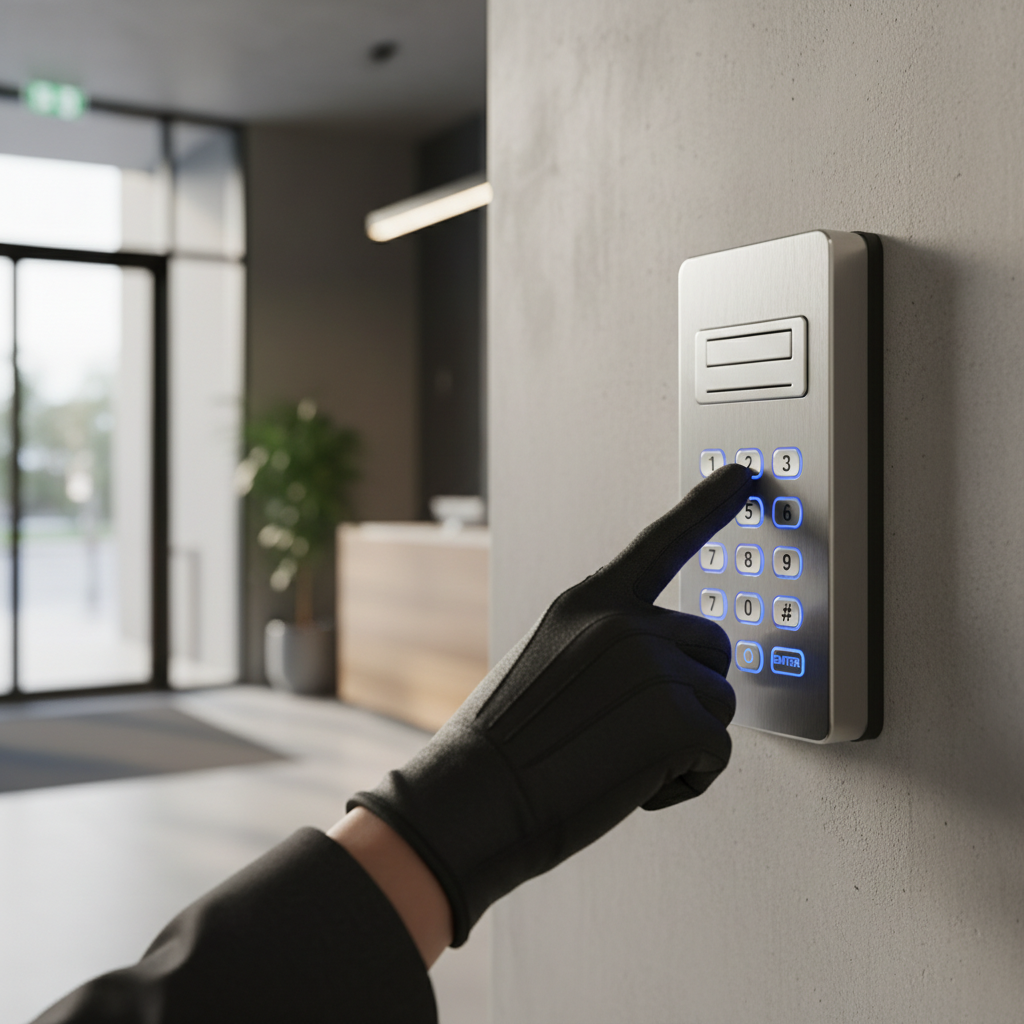
- Keycard Systems: Allow access through electronic cards, which can be easily activated or deactivated.
- Remote Access: Enables management of the system from anywhere via a secure internet connection.
- Integration Capabilities: Can be integrated with other security systems, such as CCTV and alarms.
Benefits of Implementing Access Control Systems
The implementation of access control systems brings numerous benefits to businesses. One of the most significant advantages is the enhanced security they provide. By controlling who can access different areas, businesses can protect sensitive information and valuable assets.
Additionally, these systems improve operational efficiency. With automated access management, businesses save time on security protocols and reduce the risk of human error. The data collected by these systems also provides insights into employee productivity and helps in optimizing workflows.
Cost-Efficiency
While the initial investment in a commercial access control system might seem substantial, the long-term savings outweigh the costs. **Reduced need for physical security personnel** and lower losses from theft or unauthorized access contribute to significant financial benefits over time.

Choosing the Right Access Control System
Selecting the right access control system involves considering various factors such as the size of your business, security needs, and budget. It's crucial to assess these elements carefully to ensure you choose a system that provides the best security without unnecessary features that inflate costs.
Consulting with a security expert can be beneficial in understanding the specific needs of your business and identifying the most suitable system. Additionally, consider scalability to ensure the system can grow with your business.
Conclusion
In conclusion, commercial access control systems play a vital role in modern business security. By understanding and implementing these systems, businesses can safeguard their premises, enhance operational efficiency, and ultimately, protect their bottom line. As technology advances, these systems will continue to evolve, offering even more sophisticated solutions to meet the growing security demands of the commercial world.