Understanding Access Control Systems: A Key to Business Security
PT
Understanding Access Control Systems
In today's rapidly evolving business environment, ensuring the security of your premises is paramount. Access control systems have become a fundamental aspect of maintaining both physical and data security. These systems help manage who can enter or exit different parts of your business premises, ensuring that only authorized individuals have access to sensitive areas.
What Are Access Control Systems?
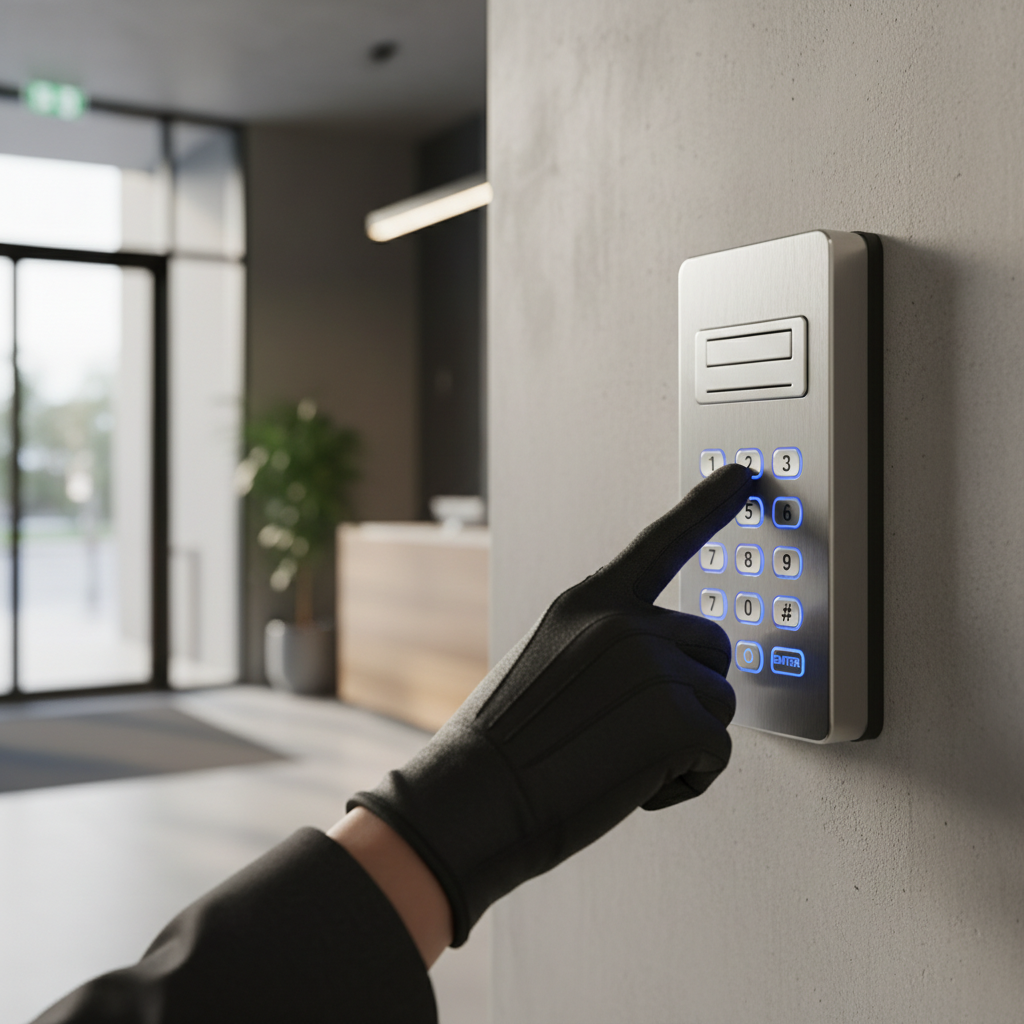
Access control systems are electronic systems designed to regulate who can enter a facility, when they can enter, and where they can go within the premises. They range from simple keypad entry systems to more sophisticated biometric scanners. The primary goal of these systems is to protect both employees and valuable assets from unauthorized access.
The use of access control systems is not limited to large corporations; small and medium-sized businesses can also benefit significantly. By implementing effective access control, companies can reduce the risk of theft, vandalism, and other security breaches.
Types of Access Control Systems
There are several types of access control systems, each with its own advantages. Here are a few common types:
- Discretionary Access Control (DAC): The business owner decides who can access specific locations based on predefined policies.
- Mandatory Access Control (MAC): Access is granted based on regulations or classifications, often used in government and military environments.
- Role-Based Access Control (RBAC): Access is granted according to the roles and responsibilities within the organization.
Benefits of Implementing Access Control
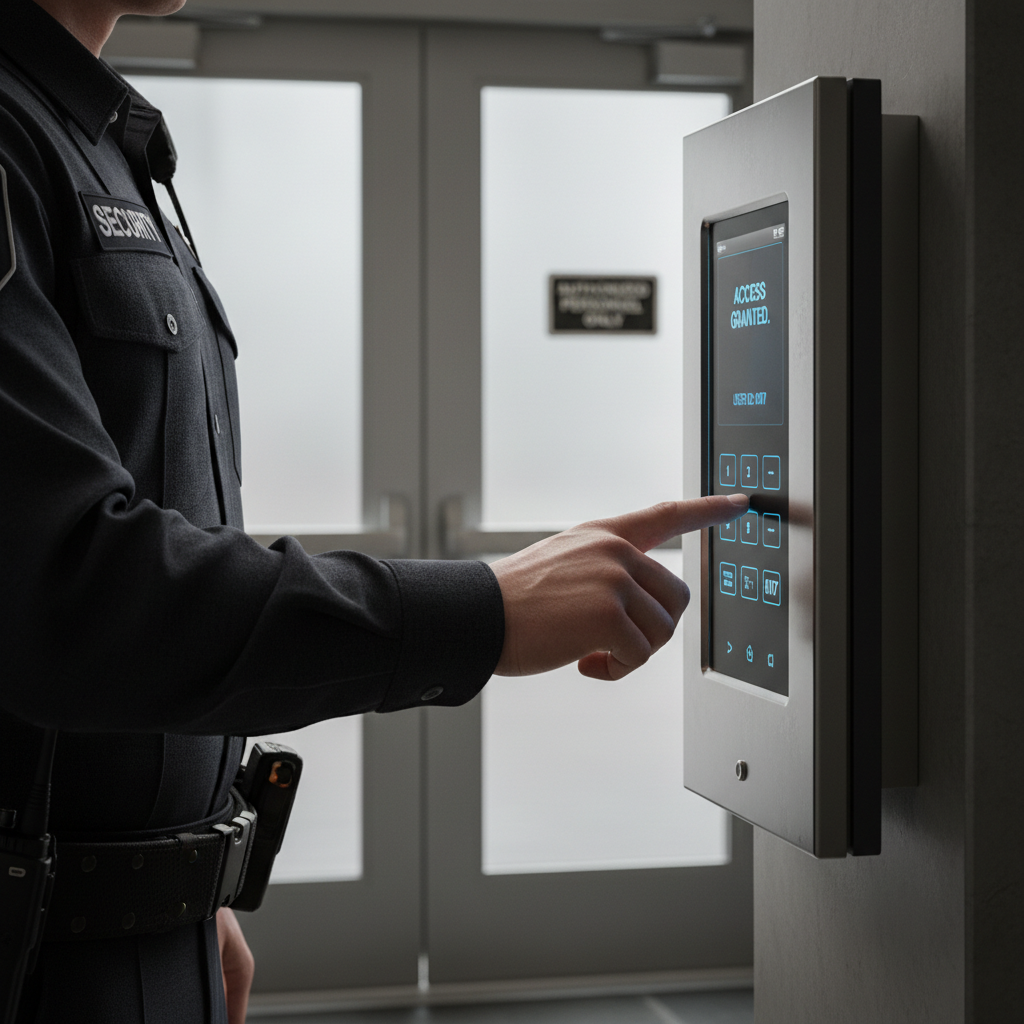
The benefits of using access control systems in a business setting are numerous. Firstly, they enhance security by restricting unauthorized access, thereby protecting sensitive information and assets. Secondly, they provide detailed logs of entry and exit, which can be crucial for auditing and compliance purposes.
Additionally, access control systems can increase operational efficiency by reducing the need for physical security personnel. They facilitate easy management of access rights, which is particularly useful when onboarding new employees or revoking access for those who leave the company.
Choosing the Right System for Your Business
Selecting the appropriate access control system depends on several factors, including the size of your business, the nature of your operations, and your specific security requirements. It's essential to conduct a thorough assessment of your security needs and consult with experts who can recommend suitable solutions.

It's also important to consider the scalability of the system. As your business grows, your access control needs may change, so opt for a system that can be easily upgraded or expanded.
Conclusion
Understanding and implementing access control systems is a critical step towards enhancing your business security. By choosing the right system, you can protect your assets, ensure compliance, and create a safer environment for your employees. Investing in a robust access control system is not just about security—it's about peace of mind.