
Innovative Security Trends: What to Expect in Home Protection
PT
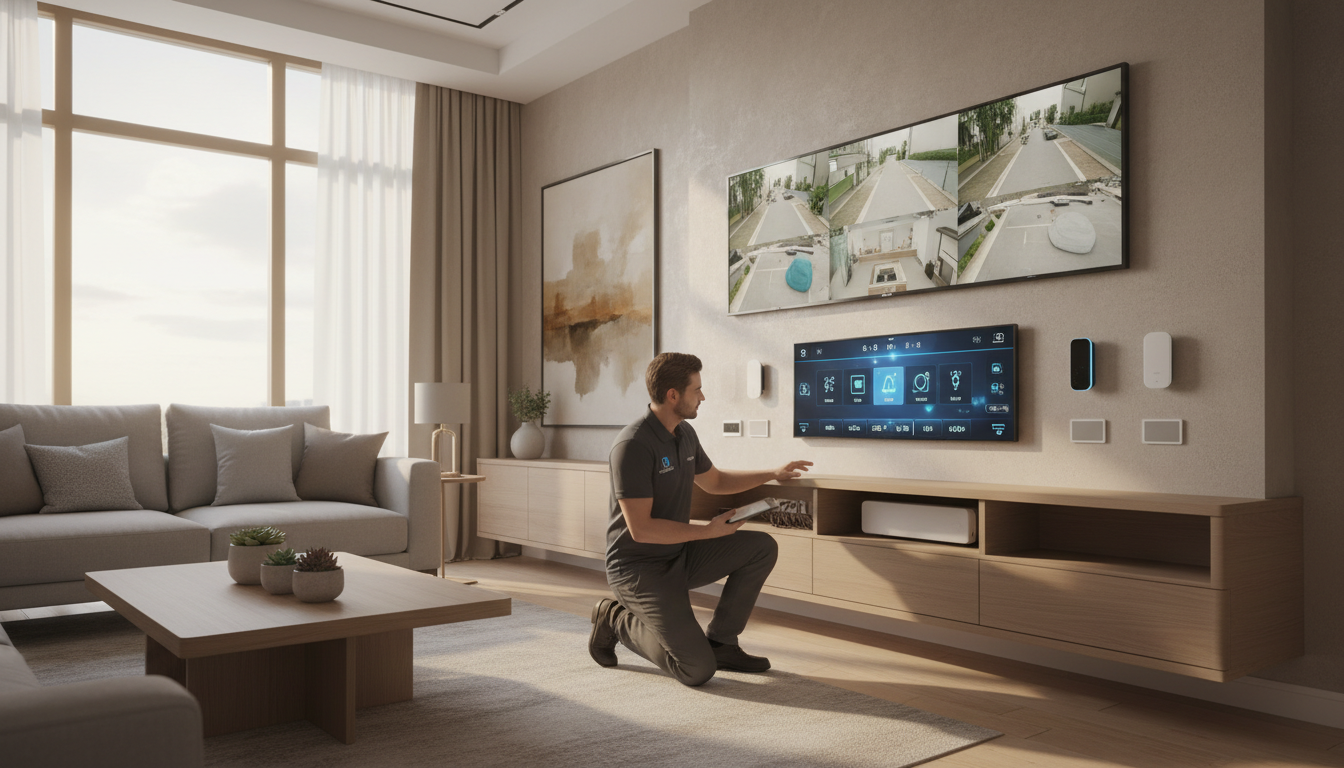
Smart Home Integration
In recent years, the integration of smart technology into home security systems has revolutionized the way we protect our homes. Smart locks, cameras, and alarms can now be controlled remotely via smartphones, providing real-time updates and alerts. This seamless connectivity allows homeowners to monitor their properties from anywhere in the world.
One of the key benefits of smart home security is its ability to integrate with other smart devices. For example, lights can be programmed to turn on automatically when a security breach is detected, simulating occupancy and deterring potential intruders.
Artificial Intelligence and Machine Learning
Artificial Intelligence (AI) and Machine Learning (ML) are playing a pivotal role in enhancing home security systems. These technologies enable devices to learn from patterns and behaviors, improving their ability to detect unusual activities. AI-powered cameras can distinguish between a pet and a potential intruder, reducing false alarms.
Moreover, AI can analyze large amounts of data in real-time, offering insights into potential vulnerabilities and suggesting improvements. This proactive approach ensures that security systems remain one step ahead of potential threats.
Biometric Security Systems
Biometric systems are becoming increasingly popular in home security. These systems use unique physical characteristics, such as fingerprints or facial recognition, to grant access. This technology offers a higher level of security compared to traditional keys or passwords, which can be lost or stolen.
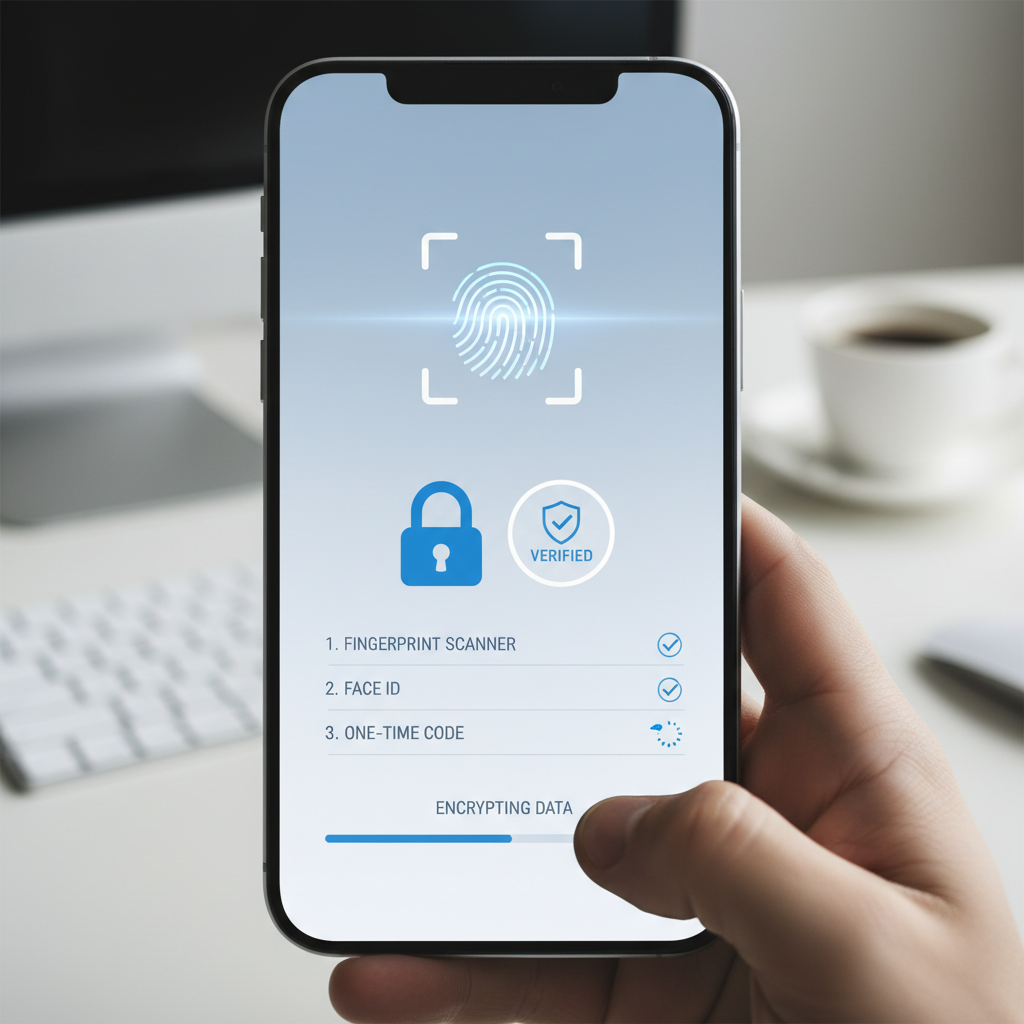
Biometric systems are not only more secure but also more convenient. Homeowners no longer need to worry about carrying keys, and access can be easily managed and monitored through dedicated apps.
Drone Surveillance
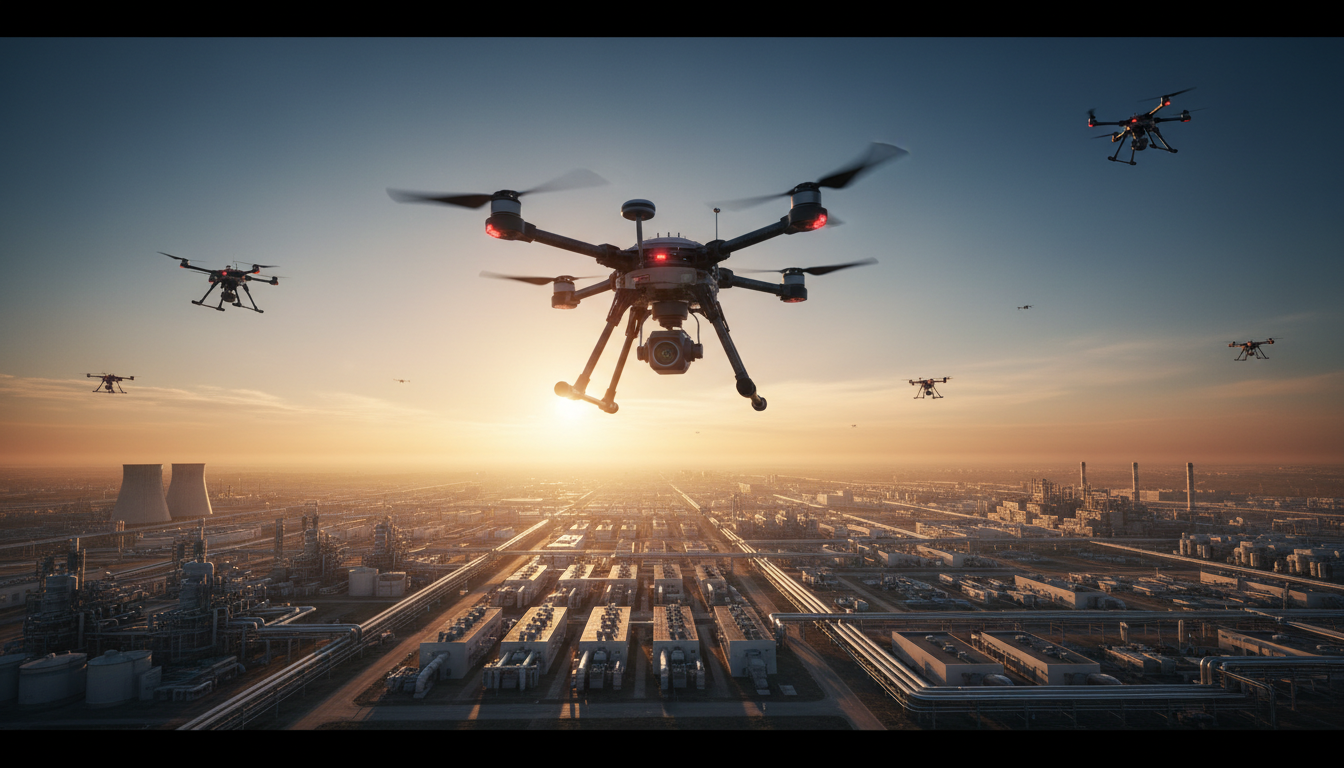
Drones are emerging as a new tool in home security, offering aerial surveillance capabilities. Equipped with cameras and sensors, drones can patrol large properties, providing a bird's-eye view that is difficult to obtain with traditional cameras.
These drones can be programmed to follow specific routes or respond to alerts, covering areas that may be hard to reach. This technology is particularly useful for large estates or rural properties where traditional security measures might fall short.
Cybersecurity for Smart Devices
As more devices become connected, the importance of cybersecurity cannot be overstated. Ensuring that home security systems are protected from cyber threats is crucial. Manufacturers are now focusing on creating systems with robust encryption and regular software updates to prevent unauthorized access.
Homeowners should also be proactive, using strong passwords and enabling two-factor authentication to add an extra layer of protection. Being aware of potential cyber risks and taking preventive measures is essential in today's digital age.
Environmental Sensors
Modern security systems are not just about preventing break-ins. Environmental sensors can detect smoke, carbon monoxide, and water leaks, alerting homeowners to potential dangers. These sensors provide peace of mind by protecting against a range of hazards that can cause significant damage or harm.
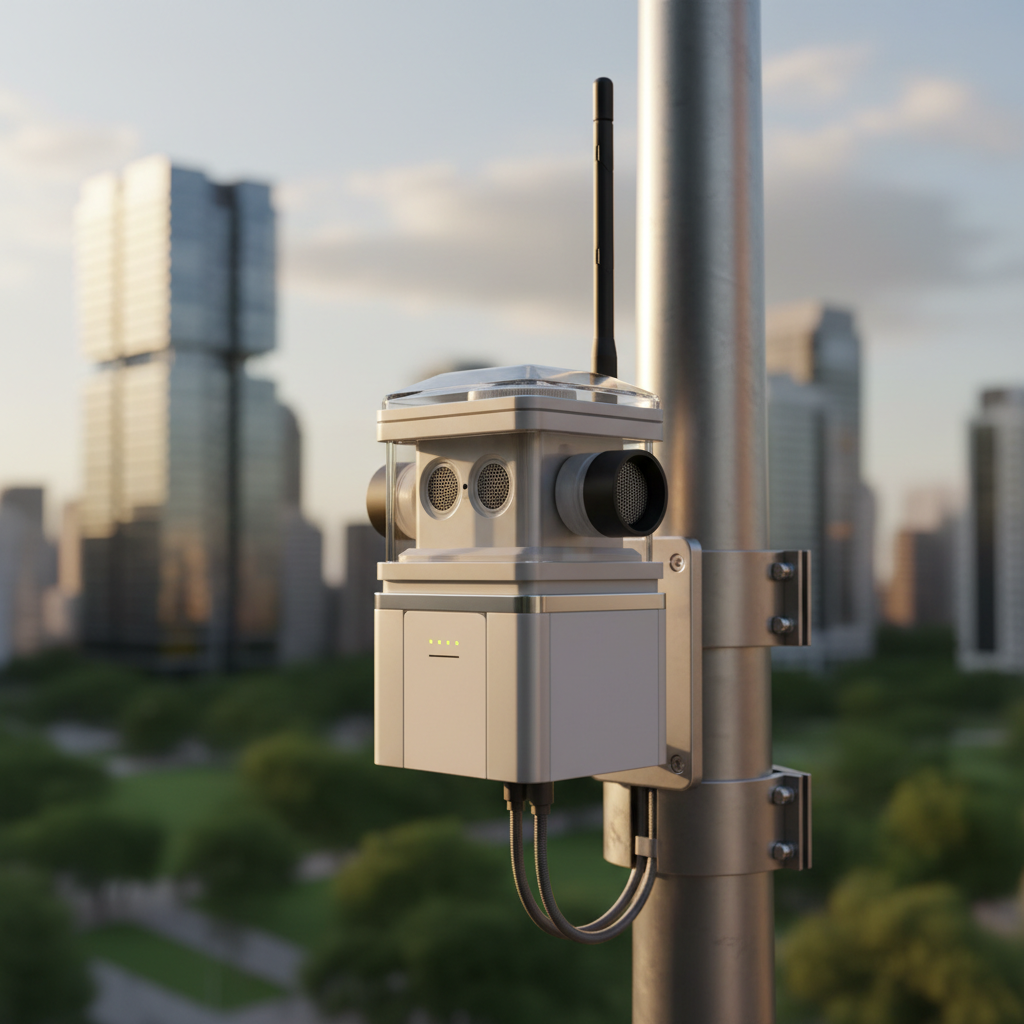
By integrating these sensors with smart home systems, homeowners receive timely notifications, allowing them to take quick action and prevent disasters. This holistic approach to home security ensures comprehensive protection for both the property and its occupants.