Comparing Network and Data Solutions for Optimal Security
PT
Understanding Network and Data Solutions
In today's digital age, ensuring optimal security for both network and data solutions is crucial for businesses of all sizes. With the increasing sophistication of cyber threats, it is essential to understand the differences and synergies between network and data security solutions.
Network security focuses on protecting the integrity, confidentiality, and accessibility of a network and its data. It involves a combination of hardware and software technologies designed to safeguard against unauthorized access, misuse, or theft. Data security, on the other hand, centers on protecting information from unauthorized access and corruption throughout its lifecycle.

Key Components of Network Security
Network security encompasses several components that work together to protect a network environment. Some of the critical elements include:
- Firewalls: Act as a barrier between your internal network and external threats, filtering incoming and outgoing traffic based on predetermined security rules.
- Intrusion Detection Systems (IDS): Monitor network traffic for suspicious activity and alert administrators to potential threats.
- Virtual Private Networks (VPNs): Provide secure remote access to the network, encrypting data transmitted over the internet.
Data Security Strategies
Data security involves protecting digital information from unauthorized access, corruption, or theft. Key strategies include:
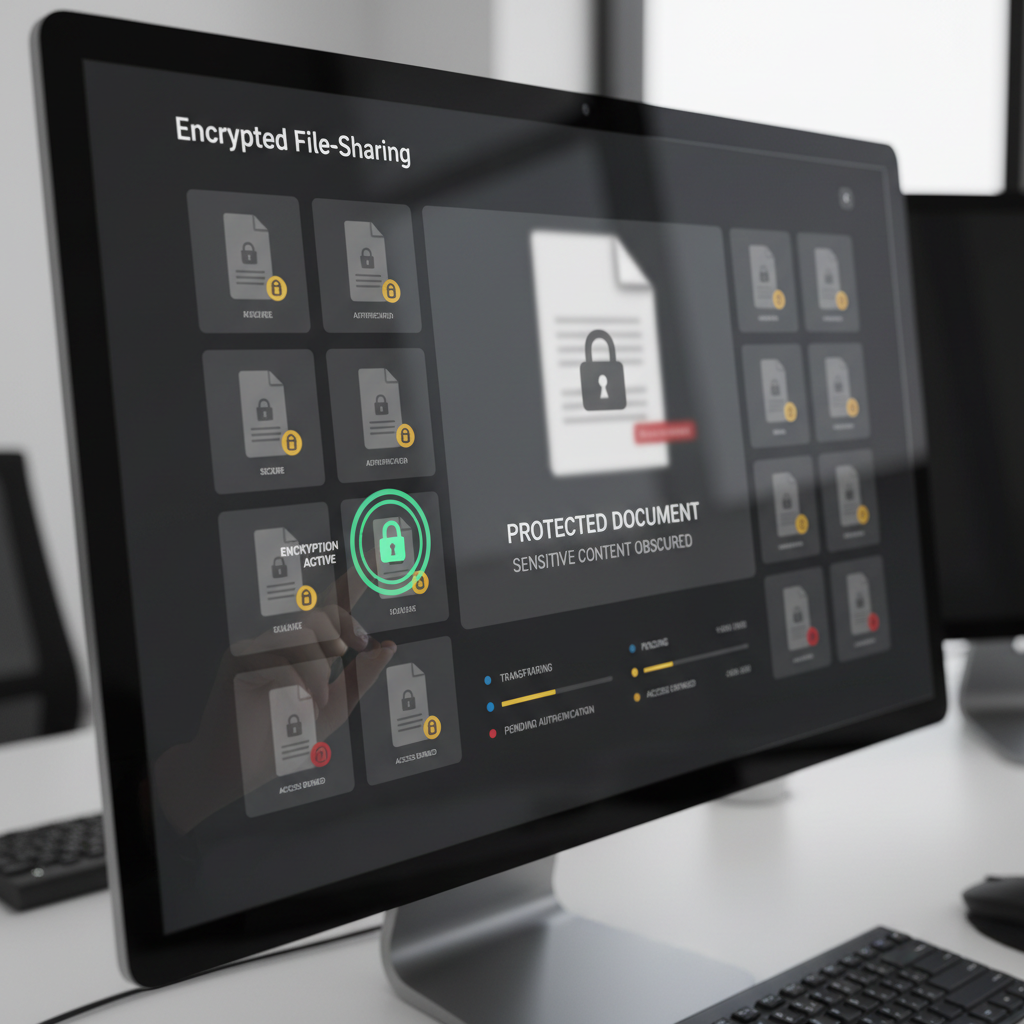
- Encryption: Converts data into a code to prevent unauthorized access.
- Access Controls: Restrict data access to authorized users only, often using multi-factor authentication.
- Data Masking: Hides original data with modified content to protect sensitive information.
The Synergy Between Network and Data Security
While network and data security solutions serve distinct purposes, they are most effective when integrated. By combining these strategies, businesses can ensure comprehensive protection against a wide array of cyber threats. For instance, while a firewall can prevent unauthorized network access, encryption ensures that even if data is intercepted, it remains unreadable.
Implementing a layered security approach combines physical, technical, and administrative measures to safeguard an organization's assets. This multi-tiered defense strategy minimizes vulnerabilities and enhances overall security posture.

Challenges and Considerations
Despite the benefits of integrated security solutions, organizations face several challenges. These include keeping up with rapidly evolving technologies, managing complex security infrastructures, and ensuring compliance with industry regulations. To overcome these hurdles, businesses should consider regular security assessments, employee training, and investing in advanced security technologies.
Additionally, it is essential to tailor security measures to the specific needs of an organization. A one-size-fits-all approach may leave critical gaps, so understanding the unique requirements and potential vulnerabilities of your business is vital for effective protection.
Conclusion
In conclusion, both network and data solutions play pivotal roles in safeguarding digital assets. By understanding their differences and leveraging their synergies, businesses can develop a robust security framework that protects against today's complex cyber threats. Investing in comprehensive security measures not only protects valuable information but also enhances trust and credibility with clients and partners.