
Common Security Mistakes and How to Avoid Them: Expert Tips
PT
In today's digital world, ensuring the security of your online presence is more critical than ever. However, many individuals and businesses still make common mistakes that leave them vulnerable to cyber threats. Understanding these errors and learning how to prevent them is essential for safeguarding your data and privacy.
Weak Password Practices
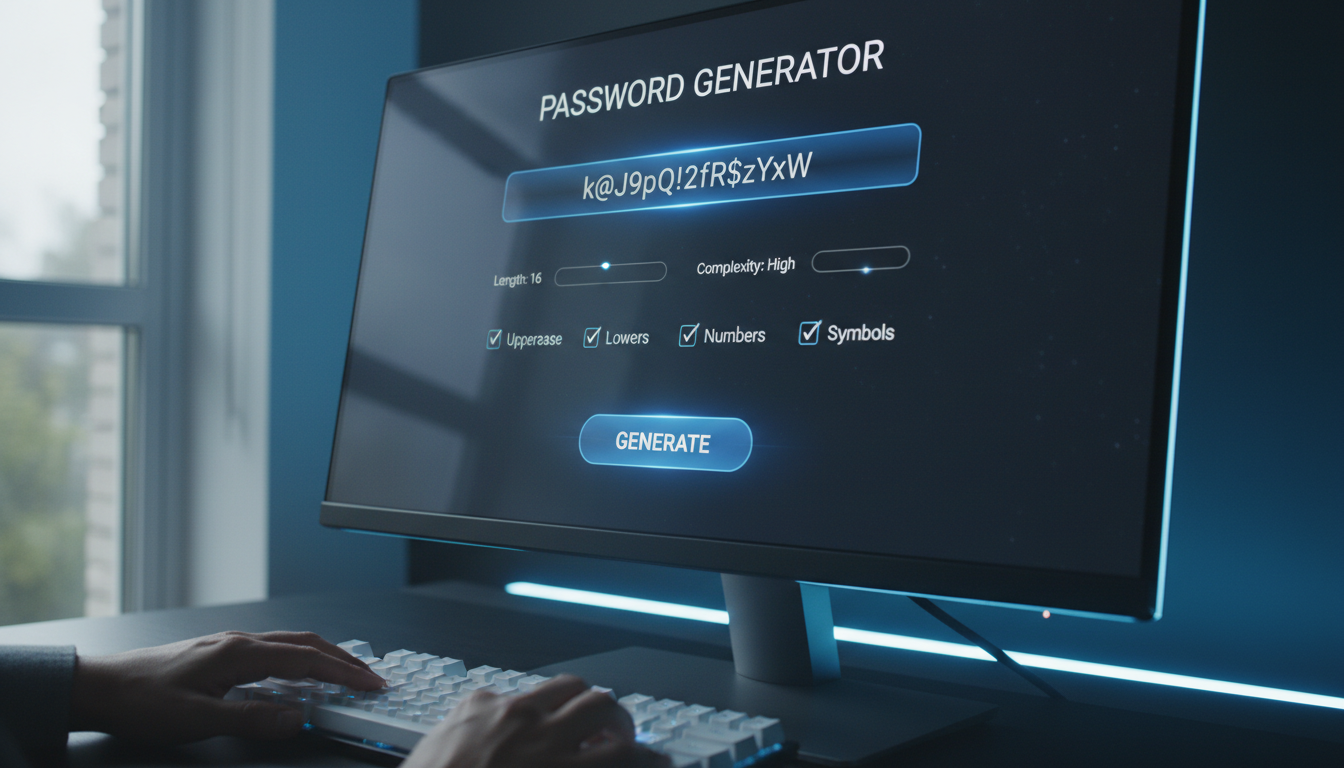
One of the most prevalent security mistakes is using weak passwords. Many people opt for simple passwords that are easy to remember, but this also makes them easy to crack. Avoid using common words, birthdays, or sequences like "123456." Instead, create strong, unique passwords for each account.
To enhance password security, consider using a password manager. These tools generate and store complex passwords, ensuring that you don't have to remember each one. A password manager can significantly reduce the risk of unauthorized access to your accounts.
Ignoring Software Updates
Regular software updates are crucial for maintaining security. Many updates include patches for vulnerabilities that hackers could exploit. Ignoring these updates leaves your system exposed to potential attacks.
To avoid this mistake, enable automatic updates on your devices. This simple step ensures that your software remains up-to-date and protected against the latest threats.
Insufficient Data Backups
Data loss can occur due to various reasons, including cyberattacks, hardware failure, or accidental deletion. Not having a reliable backup strategy in place can lead to significant data loss.
Implement a robust backup solution that includes multiple copies of your data stored in different locations. Regularly test your backups to ensure they are functioning correctly and can be restored when needed.

Overlooking Two-Factor Authentication
Two-factor authentication (2FA) adds an extra layer of security to your accounts. It requires a second form of verification, such as a text message or authentication app, in addition to your password.
Many people neglect to enable 2FA, leaving their accounts vulnerable. Make it a priority to activate 2FA wherever available, especially for sensitive or high-value accounts.
Falling for Phishing Scams
Phishing scams are designed to trick users into providing personal information or downloading malware. These scams often appear as legitimate emails or messages with urgent requests.
To avoid falling victim to phishing, always verify the sender's identity and look for warning signs, such as poor grammar or suspicious links. Educate yourself and your team about recognizing and reporting phishing attempts.

Neglecting Network Security
Network security is a critical component of overall cybersecurity. Failing to secure your Wi-Fi network can expose your data to unauthorized access.
Ensure you use a strong, unique password for your network and enable encryption. Regularly update your router's firmware and disable remote management features unless necessary.
By addressing these common security mistakes, you can significantly enhance your protection against cyber threats. Stay informed about the latest security practices and continuously evaluate your strategies to keep your digital environment secure.